

If you have ever wondered whether gold, silver, or other precious metals belong in your long-term financial plan, you are not alone. Many homeowners and everyday savers are looking for ways to protect their wealth against inflation, market swings, and economic uncertainty. Precious metals have played this protective role for centuries, but understanding how to use them wisely requires more than just buying a coin or bar and hoping for the best. This guide breaks down what you need to know to make informed, confident decisions about incorporating precious metals into your financial future.
Why Precious Metals Have Stood the Test of Time
Gold and silver have been used as stores of value for thousands of years, long before paper currency existed—ancient civilizations from Egypt to Rome minted coins from these metals precisely because their scarcity and durability made them trustworthy mediums of exchange. Unlike stocks or bonds, physical metals do not rely on a company’s performance or a government’s promises to hold worth. This tangible quality is part of why so many households still view metals as a stabilizing force in their overall financial picture.
History offers repeated evidence of this resilience. During the 1970s stagflation era, gold prices rose from roughly $35 an ounce to over $800 as investors sought protection from runaway inflation. More recently, gold hit record highs above $2,000 an ounce during periods of pandemic-driven economic uncertainty.
When currencies weaken or markets become volatile, precious metals often retain purchasing power in ways that paper assets cannot. This is largely because their supply is finite and cannot be printed or created at will, unlike fiat money issued by central banks.
It helps to understand that precious metals are not meant to replace traditional investments like retirement accounts or real estate. Instead, they work best as a complementary asset that balances risk. Financial advisors often recommend a modest allocation, rather than an all-in approach, so metals can act as a cushion during downturns without limiting long-term growth elsewhere.
Most advisors suggest keeping precious metals to somewhere between 5% and 10% of a diversified portfolio, though the exact figure depends on age, risk tolerance, and overall financial goals. Someone nearing retirement, for example, might lean toward the higher end of that range to protect accumulated wealth, while a younger investor with decades left to grow their savings may keep it closer to 5%. This range is intentional: enough exposure to benefit from gold or silver’s stability during market stress, but not so much that it drags down returns during bull markets when stocks and real estate typically outperform.
The 2008 financial crisis and the market volatility of 2020 both offer useful case studies. While the S&P 500 dropped roughly 38% in 2008, gold prices rose by about 5% that same year, illustrating how metals can offset losses elsewhere in a portfolio. This inverse relationship isn’t guaranteed every cycle, but it’s consistent enough that many treat metals as a form of portfolio insurance rather than a primary growth engine.
Beyond percentage allocation, investors should also consider how they hold their metals, whether through physical bullion, ETFs, or mining stocks, since each option carries different costs, liquidity, and tax implications. Physical gold, for instance, often involves storage and insurance costs that ETFs avoid, but it also provides direct ownership without counterparty risk.
Gold as a Long-Term Store of Value

Gold remains the most recognized precious metal for wealth preservation, and for good reason. It has a long history of maintaining value during periods of high inflation, currency devaluation, and geopolitical instability—during the stagflation of the 1970s, for example, gold prices rose from around $35 an ounce to over $800 by 1980. More recently, gold hit record highs above $2,000 an ounce during the 2008 financial crisis and again amid the 2020 pandemic uncertainty, reinforcing its reputation as a safe haven when other assets falter.
Many people choose to hold physical gold in the form of coins or bars, valuing the tangible security it offers, though this comes with considerations like secure storage, insurance costs, and dealer premiums above the spot price. Others prefer gold-backed funds, such as ETFs, which trade like stocks and offer easier liquidity without the hassle of physical storage, though they carry management fees and don’t provide direct ownership of metal.
Either way, understanding current market conditions—including interest rate trends, inflation data, and dollar strength—helps you know when it makes sense to buy or sell.
Working with reputable gold dealers can make a significant difference in the value you receive when buying or selling. Prices fluctuate daily based on global spot market movements, so a quote you get in the morning may no longer reflect the market by afternoon. It pays to compare offers from at least three or four dealers rather than accepting the first quote you receive.
If you are looking to sell gold jewelry, coins, or bullion, taking time to research who offers the best prices for gold in your area can help you avoid leaving money on the table. Established dealers typically price based on the current spot price plus a small premium, while less reputable buyers may offer well below market value, banking on sellers not knowing the difference. Checking a dealer’s reviews, industry accreditations, and buyback policies before committing to a sale can save you from a costly mistake.
It also helps to understand how factors like purity (measured in karats or fineness) and weight affect your gold’s value, since dealers calculate offers using these details alongside the daily spot price. Bringing documentation such as appraisals or certificates of authenticity, when available, can further support getting a fair, transparent offer.
- Gold prices are influenced by inflation, interest rates, and currency strength, with gold typically rising when the U.S. dollar weakens or real interest rates turn negative
- Physical gold can be stored at home, in a safe deposit box, or through a custodian, each carrying different tradeoffs between accessibility, cost, and security
- Home storage offers instant access but carries theft and insurance risks, while custodians charge annual fees (often 0.5%-1% of value) for insured, vaulted storage
- Gold coins often carry additional value based on rarity, mint year, and condition, with graded or limited-mintage coins sometimes selling well above spot price
- Common bullion coins like American Eagles or Canadian Maple Leafs tend to carry lower premiums than rare or collectible coins
- Comparing multiple offers helps ensure a fair transaction, since dealer premiums and buyback prices can vary by several percentage points
- Checking current spot prices before buying or selling helps confirm whether a quoted price reflects fair market value
Silver’s Role in a Diversified Portfolio
Silver often gets overshadowed by gold, but it plays an important role for those building a well-rounded precious metals strategy. It tends to be more affordable, making it accessible for people who want to start small and add to their holdings over time. Silver also has significant industrial demand, from electronics to solar panels, which can influence its price differently than gold.
Because silver markets can be more volatile than gold, timing matters when deciding to buy or sell. Many owners choose to work with established silver buyers who can explain current market pricing and help them understand the value of coins, bars, or silverware they may already own. This transparency is especially useful for those who inherited silver items and are unsure of their true worth.
- Silver is more volatile than gold due to its industrial uses
- Junk silver coins can be a low-cost entry point for new investors
- Silver bars typically carry lower premiums than coins
- Storage requires care since silver can tarnish over time
Turning Old Jewelry into Financial Opportunity

Many households have gold or silver jewelry sitting unused in drawers or safes, often inherited or simply outgrown in style. This jewelry can represent real financial value, especially if it contains higher karat gold or gemstones. Before deciding what to do with these pieces, it helps to have them evaluated by a knowledgeable jewelry buyer who can assess the metal content, craftsmanship, and any added value from stones or designer markings.
Not every piece needs to be sold, however. Sometimes jewelry repairs can restore sentimental items to wearable condition, preserving family heirlooms while still allowing you to enjoy them. Deciding between repairing, repurposing, or selling depends on the piece’s personal significance versus its market value, and getting an honest assessment first makes that decision much easier.
- Higher karat gold jewelry generally holds more resale value
- Gemstones and designer markings can add significant worth
- Broken clasps or settings do not always mean a piece is worthless
- A professional evaluation clarifies whether to repair, keep, or sell
Understanding the Value of Cash for Gold Transactions
The phrase cash for gold has become common, but not all transactions are created equal. Some buyers offer quick payouts based on weight alone, while others take time to assess purity, craftsmanship, and demand for specific items. Understanding how these transactions work protects you from accepting less than your gold is truly worth.
Before selling, it is wise to know the current spot price of gold and have a rough idea of your item’s weight and purity. This knowledge gives you leverage when discussing offers and helps you recognize a fair deal versus an undervalued one. Taking a little time to prepare can result in a noticeably better outcome.
- Spot price changes daily and directly affects payout offers
- Purity, measured in karats, determines how much actual gold is present
- Weight alone does not tell the full story of an item’s value
- Written documentation of the transaction protects both parties
The Importance of Getting Accurate Appraisals
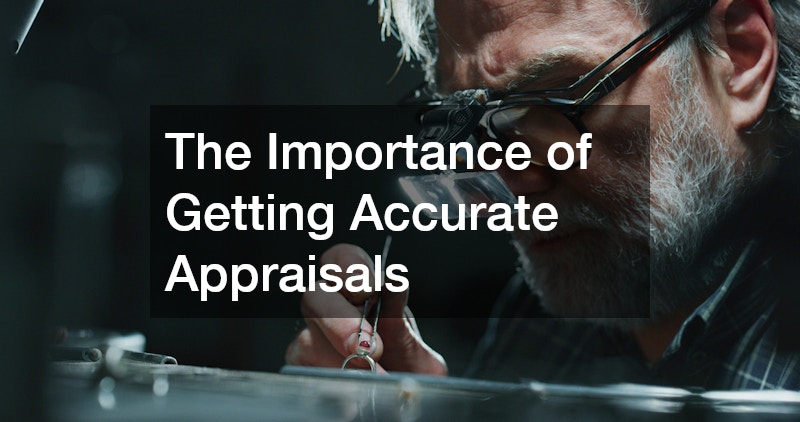
Whether you are dealing with jewelry, bullion, or rare coins, an accurate appraisal is the foundation of any fair transaction. Professional coin appraisals take into account rarity, condition, mint marks, and historical significance, factors that can dramatically change a coin’s worth beyond its face value. Skipping this step often means underselling items that may hold collector interest.
For those closer to home, seeking a local coin appraisal can be more convenient and allows for in-person evaluation of your collection. Face-to-face appraisals often provide more accurate assessments than online estimates, since experts can physically examine wear, markings, and authenticity. This personal approach also gives you the chance to ask questions and understand the reasoning behind a given valuation.
- Rarity and mint marks can significantly increase a coin’s value
- Condition grading affects price more than most people expect
- In-person evaluations reduce the risk of misjudging authenticity
- Documentation of appraisal results is useful for insurance purposes
Building Relationships with Trusted Buyers
Long-term wealth building with precious metals often benefits from ongoing relationships rather than one-time transactions. Establishing trust with reliable coin buyers means you have a go-to resource whenever you are ready to sell or expand your collection. Over time, this relationship can lead to better pricing, faster transactions, and more personalized guidance.
Finding a local coin buyer also offers practical advantages, such as the ability to have items evaluated quickly and securely without shipping valuables through the mail. Local buyers often have community reputations to uphold, which can translate into more transparent and fair dealings. Asking for references or checking reviews can help you identify buyers who consistently treat customers fairly.
- Repeat relationships often lead to better long-term pricing
- Local transactions reduce shipping risks and delays
- Community reputation encourages transparent business practices
- Established buyers can offer guidance on market timing
Diversifying Beyond Gold and Silver
While gold and silver dominate the conversation, other metals like platinum and palladium also offer diversification opportunities. Platinum is used extensively in catalytic converters, jewelry, and industrial applications, while palladium is critical for gasoline-powered vehicle emissions systems. Because of this, both metals are heavily tied to industrial demand, particularly in automotive manufacturing, which means their prices can behave differently than gold or silver during certain economic cycles.
For example, palladium prices surged dramatically between 2019 and 2021 due to tightening emissions regulations and supply shortages, even as gold moved more modestly. This shows how these metals can respond to manufacturing trends and regulatory shifts rather than purely macroeconomic fear or currency concerns.
Investors typically allocate a smaller percentage, often 5-10% of a precious metals portfolio, to platinum or palladium given their higher volatility and narrower markets. Adding even a modest allocation to these metals can further balance a precious metals portfolio and provide exposure to different demand drivers.
Rare and collectible coins represent another avenue for diversification, blending numismatic value with metal content. Examples include pre-1933 U.S. gold coins like the Saint-Gaudens double eagle, Morgan silver dollars, and limited-mintage proof coins from the U.S. Mint. These pieces require more specialized knowledge to evaluate properly, since their worth often exceeds simple melt value based on factors like rarity, condition, and historical significance.
Grading plays a major role in determining value, with third-party services like PCGS and NGC assigning numerical scores that can swing a coin’s price by hundreds or even thousands of dollars. A coin graded MS-65 might sell for a fraction of what an identical coin graded MS-67 commands, even though both contain the same amount of precious metal. Buyers should always verify grading certificates and, when possible, purchase from reputable dealers with return policies.
For collectors and long-term investors alike, understanding the difference between bullion value and collector value is essential to making sound decisions. Bullion value fluctuates with spot prices, while collector value depends on demand among numismatists, which can be more volatile and less liquid. Investors seeking a hedge against inflation may find that generic bullion offers more predictable pricing, while those willing to research and hold long-term may benefit from the added premium potential that rare coins can offer.
- Platinum and palladium prices move with industrial and automotive demand, especially catalytic converter production, making them more cyclical than gold or silver
- Platinum also sees use in jewelry and electronics, while palladium demand is concentrated in gasoline-engine vehicles, so shifts toward electric vehicles can significantly affect long-term pricing
- Rare and numismatic coins can carry value far beyond their metal content, driven by factors like mintage year, grading, and historical significance
- A well-preserved 1933 Double Eagle gold coin, for example, has sold for millions of dollars, dwarfing its bullion value
- Diversifying across metals reduces reliance on any single market, cushioning a portfolio when one metal underperforms due to sector-specific downturns
- Collectible coins require specialized knowledge to evaluate accurately, including familiarity with grading standards, authentication services, and current auction trends
Practical Steps to Start Building Your Precious Metals Portfolio

Getting started does not require a large upfront investment. Many people begin by setting aside a small, consistent budget to purchase coins or small bars over time, gradually building a position without overexposing their finances. This dollar-cost averaging approach helps smooth out the impact of price fluctuations.
Before making any purchases or sales, take time to research current market prices, understand storage options, and identify reputable professionals in your area who can assist with buying, selling, or appraising your holdings. Keeping detailed records of purchases, including dates, weights, and prices paid, will also make future decisions and tax reporting much easier.
- Start small and increase holdings gradually over time
- Keep detailed records of all purchases and sales
- Research storage options that fit your security needs
- Reassess your portfolio periodically as market conditions change
Final Thoughts
Precious metals can serve as a meaningful part of a long-term wealth building strategy when approached with knowledge and patience. By understanding how gold, silver, and other metals behave in the market, and by knowing how to evaluate jewelry, coins, and bullion accurately, you put yourself in a stronger position to make sound financial decisions. Take the time to research reputable professionals in your area, ask questions, and start with manageable steps that align with your goals. With a thoughtful approach, precious metals can become a lasting part of your financial security for years to come.