
Maintaining a home year-round is one of the most effective ways to protect your investment. Seasonal changes, extreme weather, and natural wear and tear can cause problems that, if left unchecked, lead to costly repairs and safety hazards. From leaks and foundation issues to inefficient heating systems and damaged exterior features, neglecting routine upkeep can reduce your home’s comfort, safety, and value.
A proactive approach to home maintenance ensures that small issues are caught early, prevents damage from escalating, and keeps systems running efficiently. Seasonal maintenance isn’t just about aesthetics—it’s about safeguarding the structural integrity of your property and making sure your home continues to meet the needs of your family.
This guide provides a comprehensive roadmap for essential seasonal home maintenance, covering exterior, interior, and structural tasks. Each section includes practical tips and guidance on when to call in professionals versus handling things yourself.
1. Inspect and Maintain Your Roof
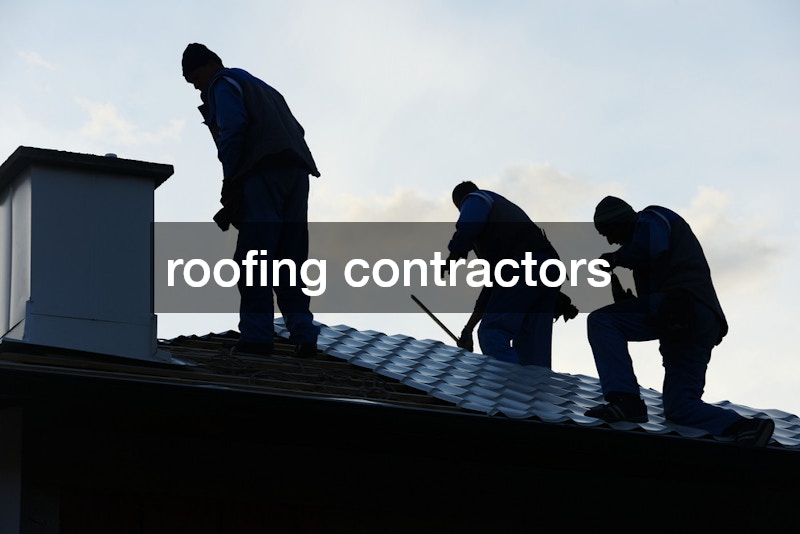
The roof is arguably one of the most critical components of your home, serving as the first line of defense against the elements. It protects your property from rain, snow, wind, and temperature fluctuations, while also helping maintain energy efficiency. Regular seasonal inspections are essential to catch minor issues before they escalate into major problems that are expensive and time-consuming to fix. Neglecting roof maintenance can lead to leaks, mold growth, structural damage, and even compromised insulation, all of which affect your home’s comfort and value.
Check for damaged shingles or tiles:
-
Inspect for missing, cracked, curling, or blistering shingles or tiles. Even a small damaged area can allow water to seep through and weaken the underlying roof deck.
-
Pay close attention to shingles around roof edges and ridges, as these areas are most exposed to wind and water.
-
For tile roofs, look for cracked or displaced tiles that could compromise the roof’s integrity.
Inspect flashing and seals:
-
Flashing and seals around chimneys, vents, skylights, and roof valleys are common points of leakage. Examine these areas for rust, cracks, gaps, or loose sections.
-
Ensure that sealant is intact; reseal areas where deterioration is evident.
-
Check the condition of vent boots, as deteriorated rubber can allow water infiltration.
Clean debris and maintain drainage:
-
Remove leaves, branches, moss, and dirt that can accumulate in roof valleys, gutters, and near downspouts.
-
Blocked drainage can cause water to pool, which increases the risk of leaks and accelerates wear on roofing materials.
-
Consider installing gutter guards or leaf screens to reduce debris buildup, especially in heavily wooded areas.
When to call professionals:
-
Major leaks, storm damage, or structural issues require expert assessment. Attempting DIY repairs in these cases can be dangerous and ineffective.
-
If your roof is aging, showing widespread wear, or missing multiple shingles, consider full roof installation or significant repairs performed by licensed roofing companies.
-
Professional inspections can identify subtle issues, such as hidden water damage, sagging roof decks, or compromised insulation.
Seasonal checklist:
-
Post-winter inspection: Check for damage caused by ice, snow, and freezing temperatures, including ice dams, shingle loss, or water infiltration.
-
Spring inspection: Examine for leaks caused by heavy rains, and ensure gutters and downspouts are clear.
-
Fall inspection: Schedule a professional check before winter storms; assess flashing, seals, and roof structure for potential weaknesses.
-
Structural checks: Look for sagging areas, uneven roof lines, or soft spots that may indicate underlying structural damage.
Additional maintenance tips:
-
Trim overhanging branches to prevent debris accumulation and reduce the risk of roof damage during storms.
-
Regularly inspect attic ceilings and insulation for signs of leaks or moisture intrusion.
-
Document inspections and repairs to track the roof’s condition over time.
By consistently inspecting and maintaining your roof, you not only extend its lifespan but also prevent costly repairs, water damage, and energy loss. A well-maintained roof ensures your home remains safe, comfortable, and protected against seasonal weather extremes.
2. Clean and Protect Gutters
Gutters are essential components of a home’s water management system, directing rainwater and melted snow away from the roof, walls, and foundation. Properly functioning gutters prevent flooding, erosion, and water damage to both the exterior and interior of your home. Neglecting gutters can lead to costly repairs, including foundation damage, basement leaks, mold growth, and even roof deterioration. Seasonal maintenance ensures gutters remain effective and extends their lifespan.
Remove debris regularly:
-
Clear leaves, twigs, pine needles, and other debris at least twice a year, typically in the fall after leaf drop and in the spring after winter storms.
-
Pay attention to areas near trees, roof valleys, and junctions where debris tends to accumulate.
-
Use a sturdy ladder and gloves, or consider a gutter scoop or specialized tools to safely remove buildup.
Inspect for damage:
-
Check for rust, corrosion, cracks, or holes in the gutters that could lead to leaks.
-
Examine fasteners and hangers to ensure gutters are securely attached to the house. Loose gutters can sag or detach during heavy rainfall.
-
Inspect seams and joints for separation or gaps that may compromise water flow.
Ensure proper slope and drainage:
-
Gutters should be slightly angled toward downspouts to prevent water pooling. Typically, a slope of about 1/4 inch per 10 feet of gutter is recommended.
-
Check downspouts to ensure water is being directed at least 3–5 feet away from the foundation.
-
Look for pooling water or overflowing areas during a rainstorm, which may indicate incorrect slope or blockages.
Professional help:
-
Schedule gutter installation or professional repairs if gutters are old, improperly sloped, sagging, or leaking.
-
Certified roofing contractors can inspect the connection between your roof and gutters, ensuring that water is properly channeled and reducing the risk of roof or fascia damage.
-
Professional services can also help with seamless gutter systems, which reduce leaks and maintenance needs.
Additional tips for optimal gutter performance:
-
Install gutter guards: Reduce debris accumulation and minimize the frequency of cleaning.
-
Check downspouts: Remove clogs to prevent water backup that could flood basements or damage landscaping.
-
Prompt repairs: Seal minor leaks with gutter sealant and tighten loose fasteners to prevent more significant issues.
-
Inspect during storms: Observe water flow during heavy rain to identify areas where water is spilling or pooling.
Maintaining clean, properly functioning gutters is essential to protecting your home’s foundation, preventing mold growth, and ensuring efficient water management. Regular attention to debris removal, damage inspection, and proper drainage safeguards your property from water-related damage and costly repairs.
3. Service Heating Systems Before Winter
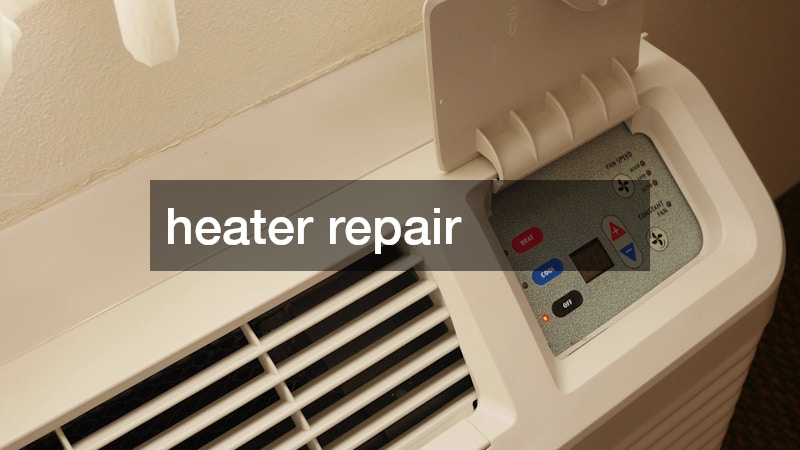
Heating systems are essential for comfort and safety during cold months. Seasonal inspection and maintenance maximize efficiency, reduce energy costs, and prevent unexpected breakdowns.
-
Check filters: Replace or clean furnace filters to maintain airflow and indoor air quality.
-
Inspect ductwork: Look for leaks, loose joints, or blockages that reduce system efficiency.
-
Test thermostat and controls: Ensure accurate temperature regulation.
Professional repairs:
-
Schedule heater repair if your system is making unusual noises, failing to heat evenly, or showing error codes.
-
Roofing companies or contractors may inspect attic vents or flues connected to heating systems for proper airflow.
Maintenance tips:
-
Schedule annual professional inspection before peak winter months.
-
Keep registers and vents clear of obstructions.
-
Consider energy-efficient upgrades for older heating systems.
Regular heating system maintenance ensures consistent comfort, lower energy bills, and reduced risk of emergency repairs during winter.
4. Inspect and Repair Windows

Windows impact both energy efficiency and overall home comfort. Seasonal inspection helps prevent drafts, water intrusion, and structural damage.
-
Check for cracks and leaks: Inspect glass, frames, and seals for damage.
-
Inspect weather stripping: Replace worn or missing seals to improve insulation.
-
Clean tracks and hardware: Ensure smooth operation and prevent moisture buildup.
Professional assistance:
-
Window repair may be necessary for broken seals, cracked glass, or rotting frames.
-
Local foundation repairs may sometimes be required if window sills or frames are misaligned due to structural settling.
DIY tips:
-
Apply caulking around window edges to prevent air and water infiltration.
-
Inspect windows after heavy storms for leaks.
-
Check for condensation between panes, indicating broken seals.
Well-maintained windows improve energy efficiency, reduce heating and cooling costs, and enhance overall comfort.
5. Maintain Garage Doors for Safety and Function

Garage doors are both functional and aesthetic features of your home. Seasonal maintenance prevents accidents, extends lifespan, and ensures smooth operation.
-
Inspect hardware: Check hinges, rollers, and tracks for wear or damage.
-
Lubricate moving parts: Use appropriate lubricants on springs, rollers, and tracks to prevent squeaks and malfunctions.
-
Test automatic openers: Ensure sensors and remote controls function correctly.
Professional services:
-
Consider garage door replacement if doors are damaged, warped, or unsafe.
-
Hire garage door services for complex repairs, alignment, or spring replacements.
Maintenance checklist:
-
Clean tracks and remove debris.
-
Check for proper balance by manually lifting the door.
-
Tighten loose bolts and screws.
Maintaining garage doors enhances safety, ensures smooth operation, and preserves curb appeal.
6. Inspect and Protect the Foundation
The foundation is the structural backbone of your home. Seasonal inspection and preventive measures help avoid serious issues, including cracking, settling, and water intrusion.
-
Check for cracks: Inspect walls, floors, and exterior surfaces for hairline or larger cracks.
-
Monitor moisture levels: Ensure proper drainage away from the foundation to prevent soil erosion.
-
Look for uneven floors or doors: These can signal foundation shifting or settling.
Professional guidance:
-
Local foundation repairs may be necessary for serious structural issues.
-
Roofing contractors can ensure gutters and downspouts direct water away from the foundation to reduce stress on soil.
Preventive measures:
-
Maintain grading around the home for proper water runoff.
-
Avoid planting large trees too close to the foundation.
-
Seal minor cracks to prevent water infiltration.
Proactive foundation maintenance preserves structural integrity and prevents costly long-term repairs.
7. Well Maintenance and Water Supply Checks
Homes with private wells require seasonal attention to ensure water safety and system functionality. Proper maintenance prevents contamination, pump failure, and reduced water pressure.
-
Inspect the wellhead: Check for cracks, leaks, or debris accumulation.
-
Test water quality: Periodic testing for bacteria, minerals, and contaminants is essential.
-
Check pumps and pressure tanks: Ensure consistent flow and pressure for household use.
Professional assistance:
-
Engage well drilling companies for inspections, repairs, or system upgrades.
-
Heater repair may be needed for hot water systems connected to well supply.
Seasonal tips:
-
Protect well components from freezing in winter.
-
Flush the system periodically to remove sediment.
-
Maintain clear access to the wellhead for inspections and repairs.
Regular well maintenance safeguards water quality and ensures reliable household supply.
8. Exterior Home Inspections and Weatherproofing
The exterior of your home is constantly exposed to the elements. Seasonal inspection and maintenance protect your investment by preventing water intrusion, drafts, and deterioration.
-
Check siding and paint: Look for cracks, peeling paint, or rot.
-
Inspect decks, porches, and railings: Repair loose boards or structural damage.
-
Seal gaps and cracks: Prevent air and moisture infiltration around doors, windows, and other openings.
Professional services:
-
Minor window repair may be needed for leaks.
-
Gutter installation can protect the home from water damage and enhance drainage.
DIY tips:
-
Power wash siding before applying sealant or paint.
-
Inspect and repair caulking around windows and doors.
-
Ensure weatherproofing materials are rated for your climate.
Weatherproofing and exterior maintenance reduce energy costs, prevent moisture damage, and maintain property value.
9. Safety Checks and Small Repairs
Regular safety inspections and minor repairs prevent accidents and extend the life of your home’s systems.
-
Test smoke and carbon monoxide detectors: Replace batteries and ensure functionality.
-
Inspect electrical outlets and wiring: Check for frayed cords or exposed wires.
-
Perform minor repairs: Tighten loose fixtures, repair small cracks, and address minor leaks.
Professional assistance:
-
Garage door services can handle mechanical or electrical repairs safely.
-
Roof installation professionals may address minor flashing or shingle adjustments during inspections.
Checklist for homeowners:
-
Maintain a log of inspections and repairs.
-
Prioritize issues that impact safety or could escalate into larger problems.
-
Schedule professional help when necessary for complex or high-risk repairs.
Small, consistent maintenance protects your home, reduces long-term repair costs, and ensures a safe living environment.
10. Hiring Professionals for Major Maintenance Tasks
While many seasonal tasks can be handled by homeowners, professional expertise is essential for major or high-risk work. Hiring the right contractors ensures work is done correctly, safely, and in compliance with local codes.
-
Roof and exterior work: Roofing companies and certified contractors ensure proper installation, repairs, and safety.
-
Well and water system maintenance: Licensed well drilling companies provide inspection, cleaning, and system upgrades.
Tips for hiring professionals:
-
Verify licenses, insurance, and experience.
-
Request multiple quotes and check references.
-
Ensure clear communication about scope, pricing, and timelines.
Professional support complements your DIY efforts and provides peace of mind for complex or high-risk maintenance tasks.
Seasonal home maintenance is essential for protecting your investment, ensuring safety, and maintaining comfort. From roofs and gutters to foundations, windows, and heating systems, consistent inspections and preventive measures catch problems early, reduce repair costs, and improve energy efficiency.
Combining DIY maintenance with professional services allows homeowners to address both minor and major tasks effectively. By following a structured seasonal plan, you can safeguard your property, prevent unexpected issues, and enjoy a well-maintained, functional, and comfortable home year-round.