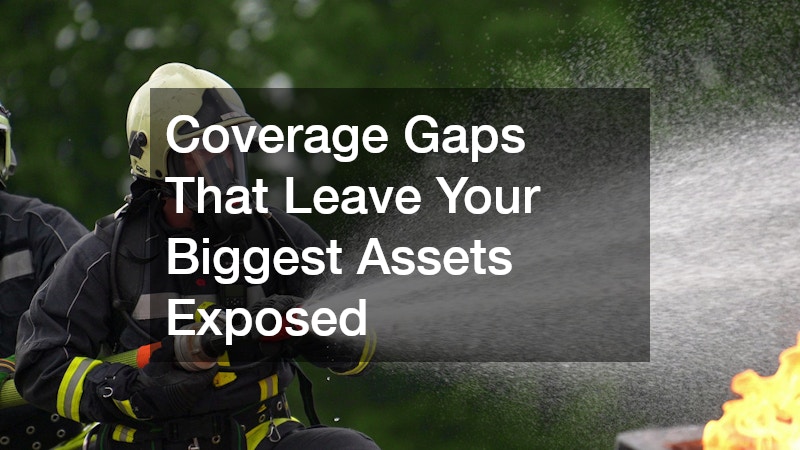

Most people assume their insurance policies quietly protect everything they own, until a claim gets denied and they discover a gap they never knew existed. Homes, vehicles, businesses, and investment portfolios each carry unique risks that generic policies often fail to cover fully. Understanding where these blind spots hide can save you from a financial setback that no amount of regret can undo. This article walks through the most common coverage gaps tied to your biggest assets and what you can do to close them.
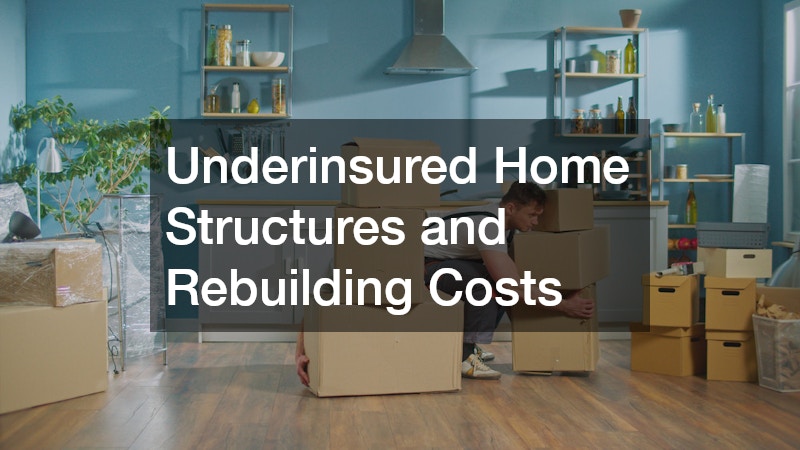
Underinsured Home Structures and Rebuilding Costs
Many homeowners insure their property based on the purchase price or the outstanding mortgage balance rather than the true cost to rebuild from the ground up. Construction material and labor costs have risen sharply in recent years, meaning a policy written five years ago may fall thousands of dollars short today. This gap becomes painfully clear after a total loss, when the payout barely covers half of what a new build actually costs.
Not all homeowners insurance companies calculate replacement cost the same way, and some rely on outdated regional averages rather than current local pricing. It pays to request a detailed rebuild estimate every couple of years and compare it against your policy limits. Asking for extended replacement cost coverage, which pays a percentage above your stated limit, can offer a meaningful buffer against unexpected cost overruns.
- Request an updated replacement cost estimate every two to three years
- Ask specifically about extended or guaranteed replacement cost riders
- Factor in local labor shortages and material price swings
- Review coverage after any major renovation or addition
Personal Vehicle Policies With Insufficient Liability Limits
A large portion of drivers carry only the state-mandated minimum liability coverage, which often falls far short of what a serious accident actually costs. Medical bills, lost wages, and legal fees from a single at-fault crash can easily exceed six figures, leaving the driver personally responsible for the remainder. Comparing car insurances side by side reveals that raising liability limits typically costs only a modest amount more per month relative to the added protection.
Uninsured and underinsured motorist coverage is another area where drivers assume they are protected when they are not. If you are hit by someone without adequate insurance, this coverage fills the gap so you are not stuck paying out of pocket for damages that were not your fault. Reviewing these limits annually, especially after a raise or major purchase, keeps your protection aligned with your actual financial exposure.
- Consider liability limits of at least 100,000 or 300,000 rather than state minimums
- Add uninsured and underinsured motorist protection
- Reassess coverage after buying a new or more expensive vehicle
- Bundle policies where possible to reduce overall premium costs
Small Business Owners Operating Without Proper Protection
Entrepreneurs frequently run their operations for years using only a homeowners policy or a generic liability plan that was never designed for commercial activity. This leaves equipment, inventory, and client-related liabilities completely exposed if something goes wrong. A dedicated business insurance policy is built specifically to address these risks, covering everything from property damage to lawsuits arising from professional services.
The type of coverage needed varies widely depending on the industry, so a retail shop and a consulting firm will have very different exposure points. Business interruption coverage, for example, replaces lost income if a fire or natural disaster forces temporary closure, something many owners overlook until it is too late. Working through a checklist of operational risks helps identify which policies actually matter for your specific situation.
- General liability for third-party injury or property damage claims
- Professional liability for service-based errors or omissions
- Business interruption coverage for lost income during closures
- Commercial property coverage for equipment, inventory, and leased space
Home-Based Business Equipment Left Unprotected
Remote work and side businesses have exploded in popularity, but many people running these ventures from home do not realize their standard homeowners policy excludes business property. A laptop, camera equipment, or inventory stored in a spare room may not be covered at all if it is damaged or stolen. This gap often surprises people only after they file a claim and receive a denial letter explaining the exclusion.
Adding an endorsement to an existing homeowners policy can sometimes cover modest home business equipment, but it usually has strict dollar limits that do not match the actual value of a growing operation. Once revenue or equipment value passes a certain threshold, a separate policy becomes the more reliable option. Keeping receipts and an updated inventory list makes any future claim process significantly smoother.
- Check your policy for home business exclusions before an incident occurs
- Ask about endorsement limits versus standalone coverage
- Maintain photos and receipts for business equipment kept at home
- Reassess coverage as the business grows beyond a side hustle
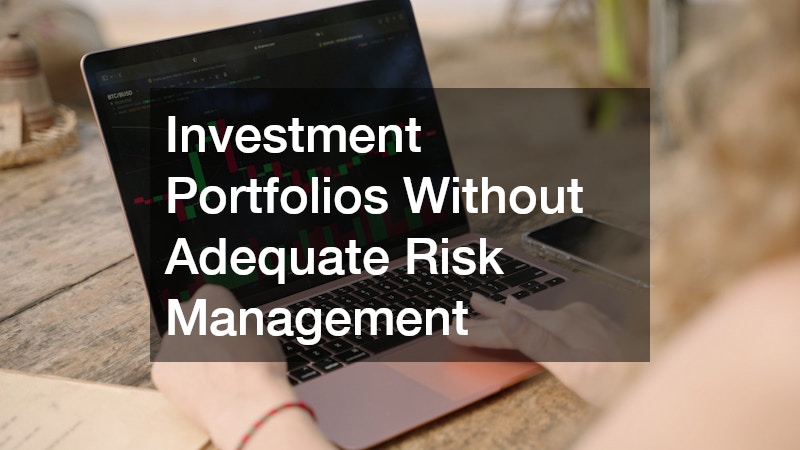
Investment Portfolios Without Adequate Risk Management
Protecting physical assets is only part of the picture, since financial portfolios carry their own version of coverage gaps. Many investors concentrate too heavily in a single stock, sector, or property type without realizing how exposed that makes their overall net worth to one bad event. A qualified investment advisor can help identify these concentration risks and recommend diversification strategies that reduce the odds of a catastrophic loss.
Beyond diversification, many people overlook the protective role that proper beneficiary designations, trusts, and liability umbrella policies play alongside traditional investments. A market downturn combined with a lawsuit or medical emergency can compound losses quickly if there is no coordinated plan in place. Reviewing your full financial picture at least once a year helps surface these blind spots before they become costly.
- Avoid overconcentration in a single stock, sector, or property
- Confirm beneficiary designations are current on all accounts
- Pair investment accounts with an umbrella liability policy for added protection
- Schedule an annual review of your full financial and insurance picture
Valuable Personal Property Exceeding Standard Policy Limits
Jewelry, art, collectibles, and high-end electronics often exceed the sub-limits built into standard homeowners or renters policies, sometimes capped at just a few thousand dollars total for all valuables combined. Someone with a modest jewelry collection or a home office full of specialized equipment can be shocked to learn only a fraction of its value would be reimbursed after a theft or fire. Scheduling these items individually on a policy, or adding a personal articles floater, closes this gap effectively.
Getting a professional appraisal every few years keeps the scheduled value accurate as market prices for gold, gemstones, or collectibles shift over time. Photographing items and storing documentation off-site or digitally ensures you have proof of ownership and value if a claim ever needs to be filed. This small amount of upfront effort often makes the difference between a fully paid claim and a frustrating partial reimbursement.
- Check your policy’s sub-limits for jewelry, art, and electronics
- Schedule high-value items individually or add a floater
- Get appraisals updated every three to five years
- Keep digital copies of receipts, appraisals, and photos
Coverage gaps rarely announce themselves until the moment you need protection most, which is exactly why a proactive review matters so much. Take time this month to pull out your existing policies, compare them against your current assets, and ask direct questions about limits and exclusions. A short conversation today with the right professional can prevent a devastating financial surprise tomorrow.